
By Jayd Parks, Financial Education Representative
Money lessons often begin in everyday moments: saving for a toy, comparing prices at the store, or deciding whether to spend now or save for later.
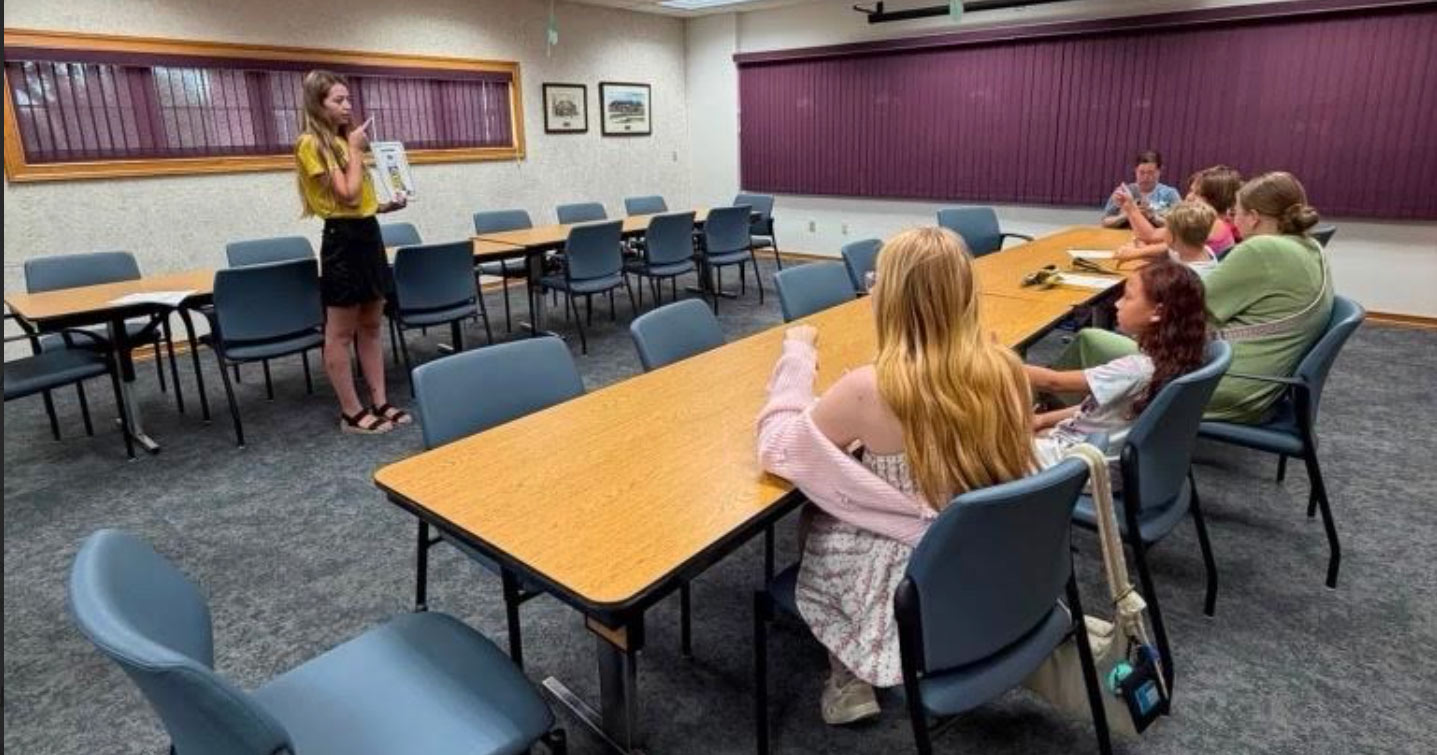
This summer, Royal's Financial Education team helped youth build money confidence through hands-on learning at schools, libraries, recreation programs, and community organizations. From decorating wallets to making big budgeting decisions, students explored money concepts in ways that felt practical, engaging, and fun.
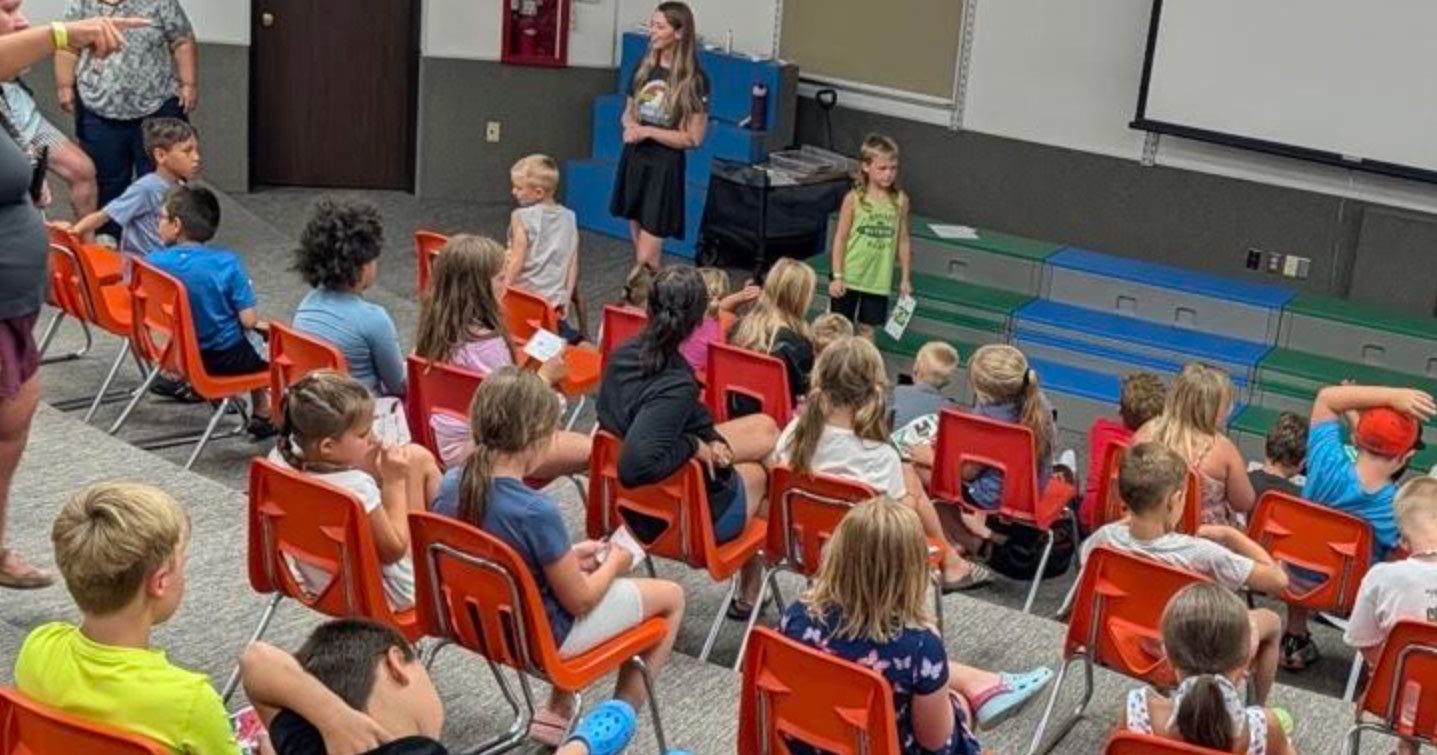
Whether students are saving for a new toy, planning for college, or someday managing a household budget, the money habits they build early can help them feel more prepared and confident when bigger financial decisions come their way.
Making Money Lessons Hands-On
We partnered with elementary summer school programs in Independence and Osseo-Fairchild, along with the Eau Claire YMCA Sports Center and Eau Claire Downtown YMCA, to bring interactive money lessons to students from pre-K through fifth grade. Lessons were tailored by age and encouraged learning through creativity, conversation, and hands-on activities.
For some of the youngest learners, the lesson began with creating and decorating their own wallets while talking about the difference between spending money today and saving for future goals. Students could even “earn” money by helping clean up, then decide how much to spend and how much to save. The activity helped reinforce that money is earned, choices matter, and saving can feel rewarding.
Practicing Budgeting in Creative Ways
Students in second and third grades took part in The Island Life Challenge, a budgeting activity where teams worked together to build their own island community using a limited budget. As students planned their island, they decided which items were needs, which were wants, and why it can be important to save part of a budget for unexpected expenses.
By working through choices together, students practiced how to prioritize needs, make spending decisions, and leave room in a budget for surprises.
Reaching Students Across Our Communities
Our summer outreach also brought financial education to community programs in Medford, including Huey’s Hideaway Children’s Museum, the Frances L. Simek Memorial Library, and the Medford Recreation Center.
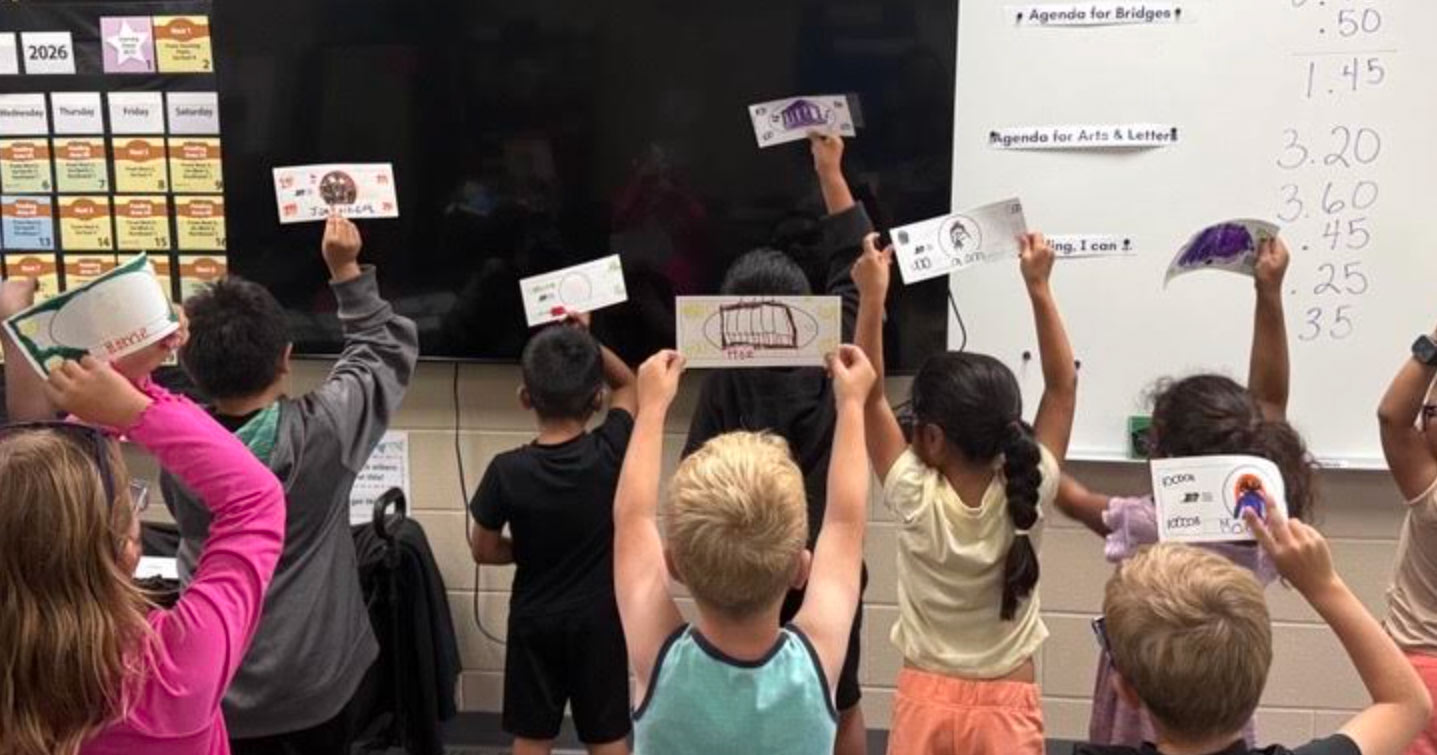
Younger students designed their own currency, while older students estimated the cost of everyday products in a Price Is Right-style activity. These sessions sparked conversations about budgeting, saving, and making smart financial decisions.
Exploring Entrepreneurship Through FUSE
Royal also helped students in Minnesota explore business ownership through FUSE, the Future U.S. Entrepreneurs program. FUSE gives students the opportunity to learn how to build a business from the ground up, work with Royal mentors, develop a business plan, and present their ideas to community professionals. This summer, seven Mahtomedi Middle School students completed the program and shared business concepts ranging from baking businesses to an AI-powered learning app.
Bringing Real-Life Budgeting to Older Students
In the St. Croix Valley, we partnered with the St. Croix Tribal Education Center in Webster to guide nearly 50 students through our Test Drive Express simulation. Students were assigned a career, built a monthly budget, and made spending decisions related to housing, transportation, food, and entertainment.
As students worked through real-life financial choices, they saw how quickly everyday expenses can add up and how tradeoffs are part of managing a monthly budget.
We also partnered with the Upward Bound, a college and career readiness program that helps prepare high school students for postsecondary education. Students from across northwestern Wisconsin explored their money personalities and asked questions about spending, saving, credit, and the differences between credit unions and banks.
Building Confidence Beyond the Classroom
The highlight of the summer was seeing students’ curiosity and enthusiasm during each lesson. They asked thoughtful questions, shared their own experiences, and connected money concepts to choices they already see in everyday life.
Learning does not stop when the school year ends. Through partnerships across our communities, we can help young people build confidence with money, practice real-life decision-making, and feel more prepared for the future.
We’re grateful to the teachers, program staff, parents, volunteers, and community partners who helped make these experiences possible.
Interested in bringing financial education to your classroom, organization, or community program? Visit Royal’s Financial Education page to learn more about our programs and resources.